
How Long Does a Hijama Session Take?
A typical Hijama session takes between 30 and 60 minutes from start to finish, though the exact time depends on how many points are being treated, the client's individual needs, and whether it's a first-time visit that includes a fuller consultation. This guide breaks down what happens during that time, what affects how long a session runs, and what to expect before, during, and after your appointment. For the wider picture on the practice itself, see our complete guide to Hijama and what Hijama cupping means.
Average Hijama Session Length
Most Hijama sessions fall within a fairly consistent window, though no two appointments are identical.
First-Time Sessions
A first Hijama session usually takes longer than repeat visits often 45 to 60 minutes because it includes a full screening and consultation before any cups are applied. This is where a practitioner checks for contraindications, discusses your reason for treatment, and explains what to expect.
Repeat Sessions
Once a practitioner already has your medical history on file, follow-up sessions tend to move faster, typically 30 to 45 minutes, since less time is needed for consultation and more of the appointment is spent on the treatment itself.
What Happens During That Time
Understanding what's actually happening minute-to-minute helps explain why sessions take as long as they do.
Consultation and Screening (5–15 Minutes)
Before any cups touch the skin, a practitioner will ask about your medical history, current medications, and the specific reason you're seeking treatment. This step is essential for identifying anyone who should avoid Hijama, such as those who are pregnant, on blood-thinning medication, or managing certain health conditions.
Cup Placement and Initial Suction (5–10 Minutes)
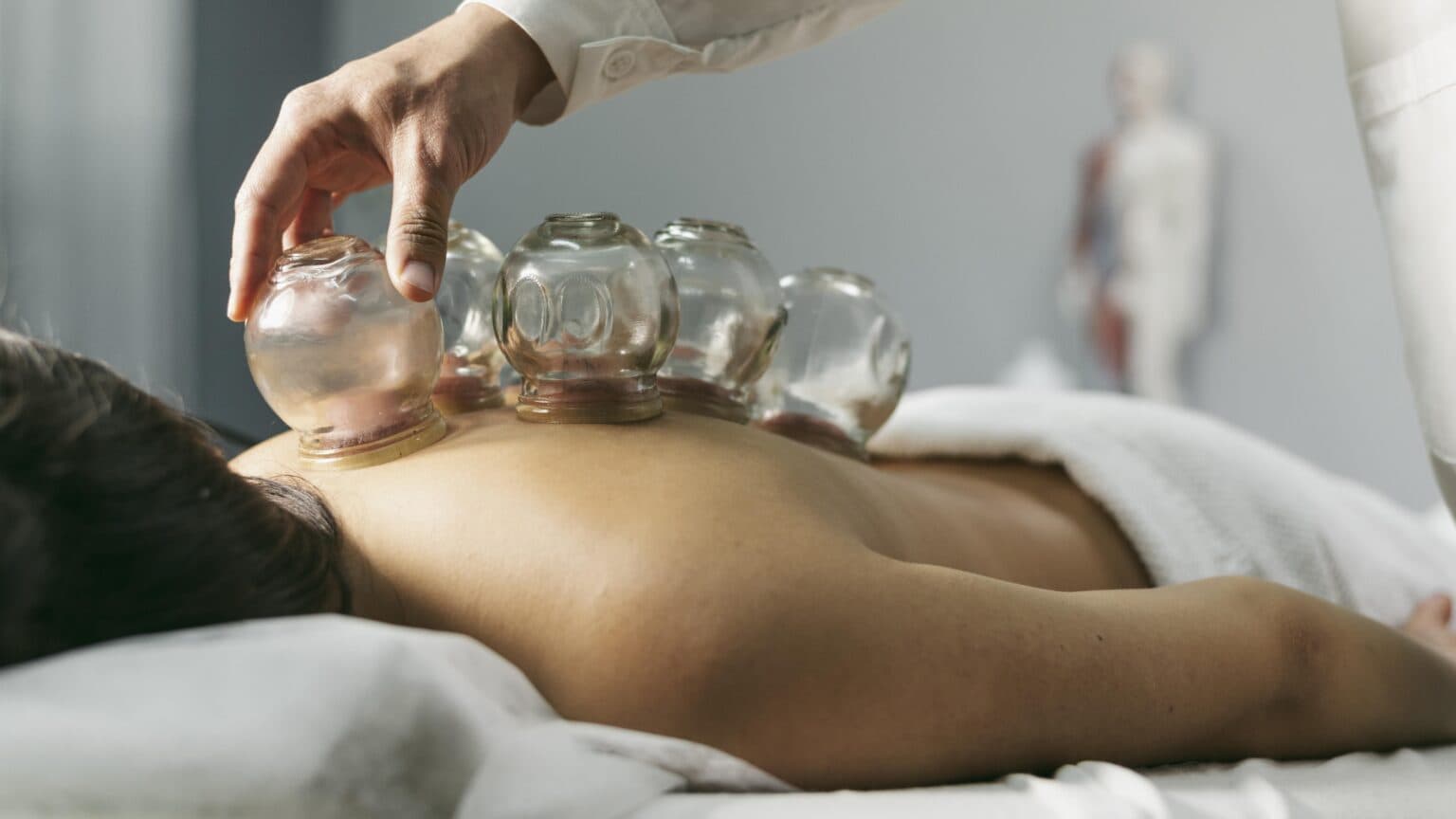
Sterile cups are applied to the chosen points on the body and left to create suction, drawing the skin upward. This step usually takes a few minutes per set of points and may be repeated across different areas depending on the treatment plan.
Incisions and Blood Drawing (10–20 Minutes)
Once the skin has been drawn up sufficiently, the practitioner makes small, superficial incisions and reapplies the cup to draw a small, controlled amount of blood. This step is done carefully and shouldn't be rushed, which is one of the main reasons total time varies between practitioners and treatment areas.
Cleaning and Aftercare (5–10 Minutes)
After the cups are removed, the treated area is cleaned, dressed, and the client is given aftercare guidance covering rest, hydration, and wound care for the following days.
What Affects How Long a Session Takes
Several factors influence total appointment time, and it's worth knowing these before you book so you can plan your day around it.
Number of Points Treated
More treatment points naturally mean more time. A session focused on one or two areas will run shorter than one covering multiple points across the back, shoulders, or head.
Reason for Treatment
Sessions aimed at general wellbeing or a single area of discomfort tend to be quicker than those addressing more widespread pain or multiple concerns at once.
First Visit vs Ongoing Client
First-time clients should expect a longer appointment due to the consultation step. Regular clients with an established treatment plan typically move through sessions more efficiently.
Practitioner's Pace and Care
A careful, unhurried practitioner may take slightly longer per point, which is generally a good sign Hijama shouldn't feel rushed, especially during the incision and blood-drawing stage.
Should You Plan Extra Time Around Your Appointment?
Beyond the treatment itself, it's worth allowing a little buffer either side of your session.
Before Your Session
Arriving a few minutes early gives you time to settle in and ask any questions before the consultation begins, particularly if it's your first visit.
After Your Session
Some clients feel mild fatigue or tiredness after treatment, which is a normal and commonly reported reaction. It's worth allowing time to rest afterwards rather than heading straight into a physically demanding activity.
Does a Longer Session Mean a Better Treatment?
Not necessarily. Session length reflects the number of points treated and the care taken during the process not the effectiveness of the treatment itself. A shorter, focused session addressing one or two areas can be just as appropriate as a longer one, depending on your individual needs. What matters more than time on the table is that screening, hygiene, and aftercare are all properly followed.
Getting Started
If you're booking your first Hijama session, it's worth setting aside a full hour to allow time for a proper consultation, even if the treatment itself ends up being quicker. If you're considering training as a practitioner, understanding realistic session timing and why rushing certain steps isn't appropriate is part of what a proper Hijama course should teach.
Hijama Nation allows adequate time for screening, treatment, and aftercare in every session, and covers session pacing and client care as part of our certified Hijama course.
Frequently Asked Questions
First sessions typically take 45 to 60 minutes, since they include a full consultation and screening before treatment begins.
Follow-up sessions are usually shorter, around 30 to 45 minutes, since the consultation stage is quicker once your medical history is already on file.
Session length depends on the number of points treated, the reason for treatment, and whether it's a first-time or repeat visit.
Not necessarily. Length reflects how many areas are being treated and the care taken during the process, not how effective the treatment is.
It's best to allow a full hour, especially for a first visit, to account for consultation, treatment, and a few minutes of rest afterwards.
Yes. Mild fatigue is a common reaction after treatment, so it's a good idea to avoid strenuous activity immediately afterwards.
Yes. A careful, unhurried practitioner may take slightly longer, particularly during the incision and blood-drawing steps, which is generally a positive sign rather than a concern.