
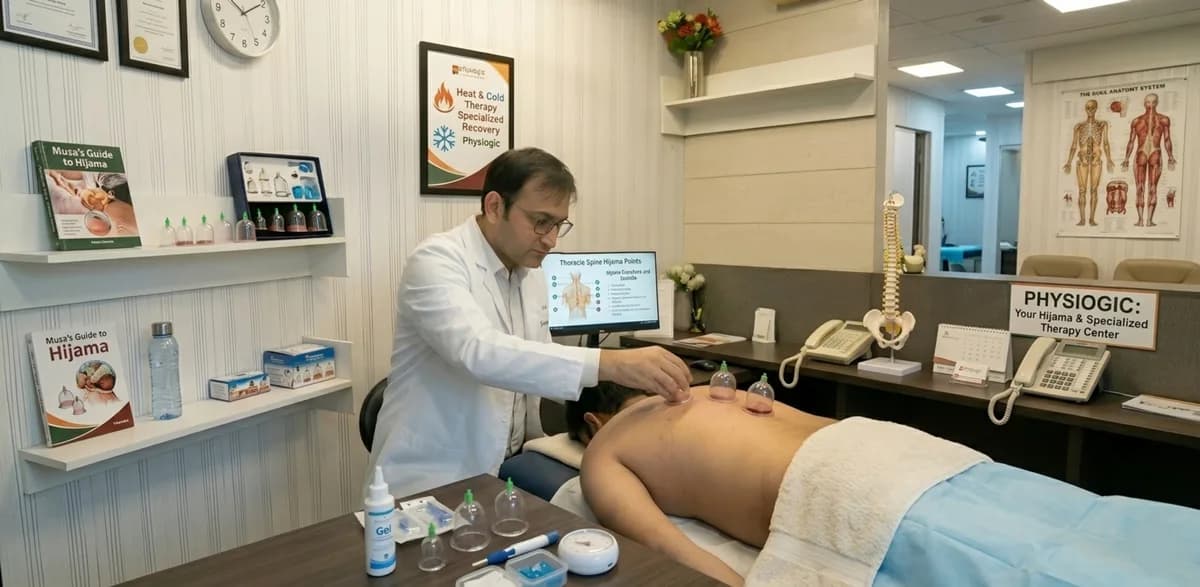
What Are Hijama Cups Used For?
Hijama cups are the primary tool used in wet cupping therapy, designed to create a controlled vacuum on the skin's surface before small incisions are made to draw a small amount of blood. While the cups themselves look simple, the way they're used, sterilised, and sized plays a direct role in how safe and effective a Hijama session is. This guide covers what Hijama cups are used for, the types available, how they differ from dry cupping equipment, and why proper equipment matters as much as practitioner skill. For the broader picture, see our complete guide to Hijama and what Hijama cupping means.
The Core Function of Hijama Cups
At their core, Hijama cups exist to do one job: create suction on the skin. This suction draws blood to the surface, which serves two purposes in a wet cupping session it makes the area easier to work with once small incisions are made, and it's believed within tradition to help draw out stagnant or "toxic" blood from beneath the skin.
Creating the Vacuum
Suction is created either manually, using a hand pump attached to the cup, or with pre-vacuumed disposable cups that create suction the moment they're placed. Manual pump cups allow a practitioner to control pressure precisely, which matters for sensitive areas or first-time clients.
Preparing the Skin for Incisions
Once suction has drawn the skin upward for a few minutes, the cup is removed and small, superficial incisions are made. The cup is then reapplied to draw out a small, controlled amount of blood. Without the initial suction step, incisions alone wouldn't achieve the same effect the cup is what makes the process work as intended.
Types of Hijama Cups
Not all cups used in cupping therapy are the same, and the type used affects both hygiene and outcome.
Disposable Plastic Cups
Most modern, hygiene-focused clinics use single-use plastic cups with a manual pump mechanism. These are discarded after each client, removing any risk of cross-contamination between sessions. This is the standard most reputable practitioners including certified ones now follow.
Silicone Cups
Silicone cups are flexible and often used for massage-style dry cupping rather than wet Hijama, since they're harder to sterilise thoroughly between clients when incisions are involved.
Glass Cups (Traditional/Fire Cupping)
Glass cups are typically associated with fire cupping, where a flame briefly removes oxygen from inside the cup to create suction before it's placed on the skin. This method is less common in modern Hijama practice due to the higher skill required and the burn risk if not handled carefully.
Cup Sizes
Cups come in a range of sizes to suit different areas of the body smaller cups for areas like the head or neck, larger cups for the back or shoulders. A trained practitioner selects cup size based on the treatment area and the client's individual needs.
Where Hijama Cups Are Placed
Cup placement isn't random. In traditional practice, cups are often applied to recognised Sunnah points on the body, though a practitioner may also choose points based on where a client is experiencing pain or tension.
Common Treatment Areas
Cups are frequently placed on the upper back, shoulders, neck, and head, though placement varies depending on the reason for treatment whether that's general wellbeing, a specific area of pain, or Sunnah-based practice.
Why Placement Requires Training
Placing cups on the wrong area, or too close to sensitive structures like major blood vessels or joints, increases the risk of bruising or complications. This is one of the key reasons Hijama cupping should only be performed by someone with proper certification, not attempted informally.
Hygiene and Equipment Standards
The equipment used is just as important as the technique behind it. Reused or improperly sterilised cups carry a real risk of infection or, in more serious cases, transmission of bloodborne disease between clients.
What Proper Practice Looks Like
- Single-use, disposable cups and blades wherever possible
- Full sterilisation of any reusable equipment components between every client
- Clean gloves and a hygienic treatment space
- Proper disposal of used equipment after each session
What to Ask Before Booking
Clients are well within their rights to ask a practitioner about their equipment and hygiene process before booking. A properly trained, certified practitioner will answer this openly and without hesitation it's a standard part of responsible practice, not an unusual question.
Hijama Cups vs Dry Cupping Equipment
While the cups used for wet and dry cupping can look similar, the process around them differs.
| Dry Cupping Equipment | Hijama Cups | |
|---|---|---|
| Suction method | Pump or fire | Pump or fire |
| Incisions involved | No | Yes |
| Sterilisation needs | Basic cleaning | Strict, single-use standard |
| Common use | Muscle tension, relaxation | Traditional detox, pain relief, Sunnah practice |
This distinction matters because dry cupping equipment doesn't carry the same infection risk as Hijama cups, since no incisions are made which is also why Hijama demands a higher standard of practitioner training.
Do You Need Special Cups to Learn Hijama?
For those considering training as a Hijama practitioner, understanding equipment is a core part of any proper course not just how to use cups, but how to source, sterilise, and dispose of them correctly. A responsible Hijama course will cover equipment standards in depth before any student moves on to practising technique.
Getting Started
Understanding what Hijama cups are used for is a small but important piece of the wider picture alongside procedure, safety, and religious context. If you're considering treatment, ask your practitioner about their equipment standards before booking. If you're considering training, look for a course that treats hygiene and equipment as seriously as technique.
Hijama Nation follows strict single-use equipment standards across every treatment session, and covers equipment and hygiene protocols thoroughly as part of our certified Hijama course.
Frequently Asked Questions
Most modern cups are disposable plastic with a manual pump mechanism. Some practitioners use silicone or glass cups, though these are more commonly associated with dry or fire cupping rather than wet Hijama.
Properly trained practitioners use single-use, disposable cups or fully sterilise reusable components between every client to prevent cross-contamination.
Suction is created either manually with a hand pump attached to the cup, with pre-vacuumed disposable cups, or traditionally using fire to briefly remove oxygen from inside a glass cup.
Not necessarily. Cup size is chosen based on the treatment area and client comfort, not treatment strength. A trained practitioner selects the appropriate size for each area of the body.
This isn't recommended. Hijama involves incisions and carries real hygiene and safety risks if performed without proper training, sterile equipment, and screening for contraindications.
Fire cupping is a traditional method some practitioners prefer, though it requires more skill to perform safely and carries a higher risk of burns if not handled carefully. Most modern, hygiene-focused clinics use pump-based disposable cups instead.
The cups can look similar, but Hijama requires stricter, single-use sterilisation standards since incisions are involved, unlike dry cupping which uses suction only.