
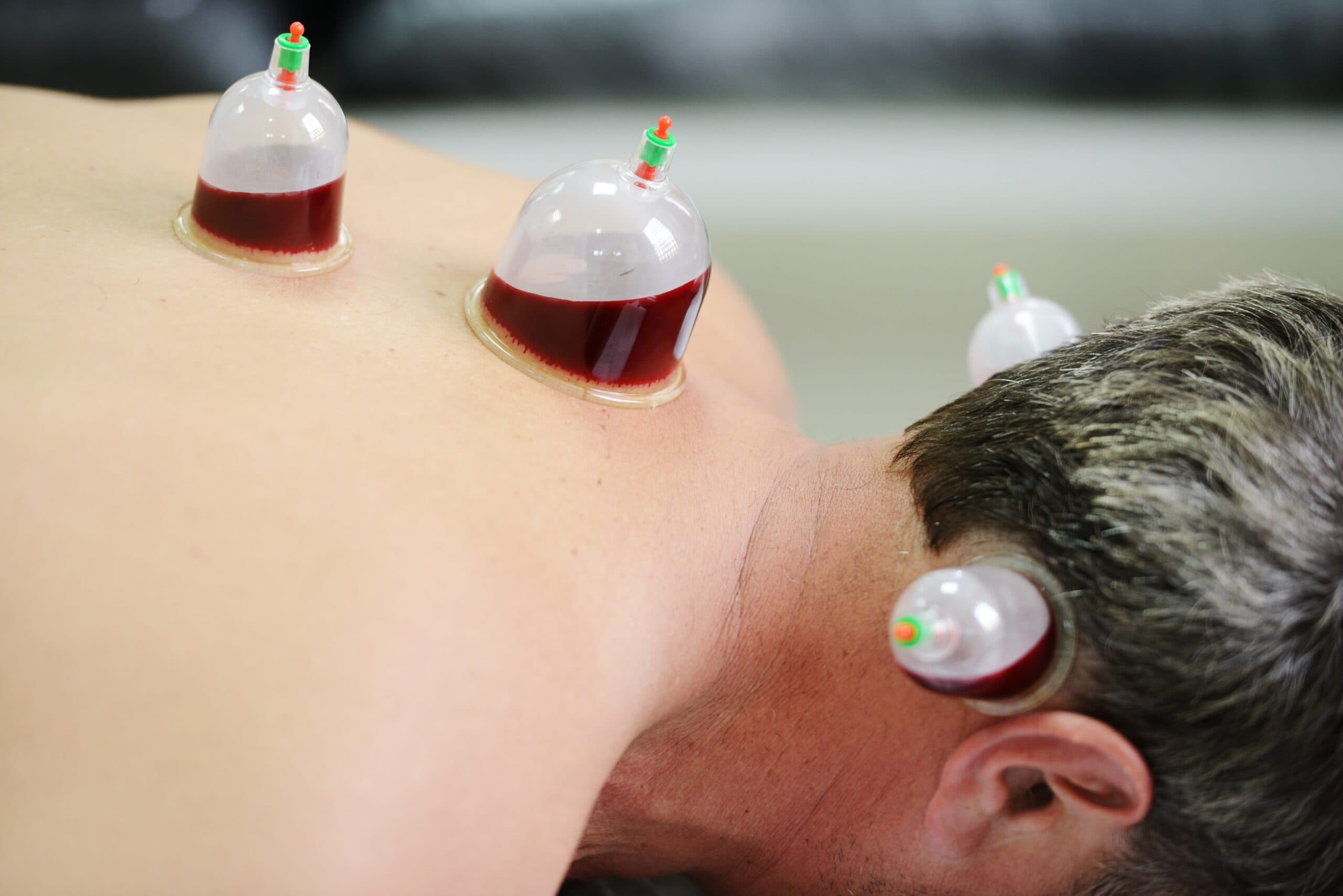
Hijama is a form of Prophetic medicine in which a practitioner applies suction cups to the skin and makes small, superficial incisions to draw out stagnant blood. It sits within the wider family of cupping therapies and is practised both as a traditional Sunnah‑based remedy and, increasingly, as a complementary wellness treatment supported by modern clinical hygiene standards.
This guide explains what Hijama is, how it’s performed, its claimed benefits, its risks, and its place in Islamic tradition – before looking at how you can learn it through a certified course or experience it as a treatment.
What Is Hijama?
Hijama is a form of Prophetic medicine in which a practitioner applies suction cups to the skin and makes small, superficial incisions to draw out stagnant blood from specific points on the body. It is also known as wet cupping, and is practised both as a traditional Sunnah‑based remedy and, increasingly, as a complementary wellness treatment supported by modern clinical hygiene standards.
Hijama vs. Cupping Therapy
It differs from dry cupping, which uses suction alone with no incisions, and from general cupping therapy, a broader category that includes both methods across several cultures.
| Dry Cupping | Hijama (Wet Cupping) | |
|---|---|---|
| Method | Suction only | Suction + superficial incisions |
| Blood drawn | No | Yes, in small quantities. |
| Typical goal | Muscle tension, circulation | Traditional detoxification, pain relief, Sunnah practice |
| Training required | Basic | Advanced, including hygiene and bloodborne pathogen protocols |
How Hijama Is Performed
A typical session follows a structured process:
- Screening and Consultation – A practitioner checks for contraindications such as pregnancy, anaemia, bleeding disorders, or blood‑thinning medication.
- Cup Placement – Sterile cups are applied to specific points on the body, often corresponding to traditional Sunnah points, and left to create suction.
- Superficial Incisions – Small, shallow scratches are made once the skin has been drawn up.
- Blood Drawing – A small, controlled amount of blood is released into the cup.
- Aftercare – The area is cleaned and dressed, and the client is given guidance on rest and wound care.
The amount of blood drawn is small and varies by practitioner and treatment area it is not comparable to blood donation.
Benefits of Hijama
Claimed benefits fall into two categories, and a responsible source should separate them clearly.
Traditionally Reported Benefits
Pain relief, improved circulation, reduced fatigue, general wellbeing, and spiritual reward through Sunnah practice.
Areas With Some Scientific Interest
Limited studies have explored cupping for musculoskeletal pain and certain inflammatory markers, though evidence remains preliminary and mixed. Hijama should not be presented as a guaranteed cure for any condition.
Common reasons people seek Hijama include chronic pain, migraines, fatigue, stress, and sports‑related injuries, alongside religious motivation.
Risks and Who Should Avoid Hijama
When performed by an untrained or unhygienic practitioner, Hijama carries risks including infection, bruising, burns, and in poor‑hygiene settings bloodborne disease transmission. This is why sterilised, single‑use equipment and a trained practitioner are essential.
Hijama Is Generally Not Recommended For
- Pregnant women
- People with anaemia or bleeding disorders
- Those on blood‑thinning medication
- People with uncontrolled diabetes or certain heart conditions
- Anyone with an active skin infection at the treatment site
Anyone with a pre‑existing medical condition should consult a doctor before booking treatment.
Hijama in Islam
Hijama holds a significant place in Islamic tradition as part of Prophetic medicine (Tibb an‑Nabawi). It is associated with specific Sunnah days traditionally the 17th, 19th, and 21st of the Islamic lunar month and with defined Sunnah points on the body. For many practitioners and clients, Hijama is not only a physical treatment but also an act of reviving a prophetic tradition with intention and care.
A responsible approach keeps the religious and medical framing distinct: Sunnah timing and points are a matter of tradition and personal practice, while safety and suitability for treatment are medical questions that deserve their own honest answers.
Your Path With Hijama Nation
Understanding what Hijama is naturally leads to one of two questions: do you want to learn it or experience it? Hijama Nation supports both paths.
Learn Hijama: Our Certification Course
For those who want to train as a practitioner, our Hijama course combines Sunnah‑based teaching with modern clinical standards covering anatomy, hygiene and infection control, cup placement, contraindications, and aftercare, alongside the ethical and spiritual foundations of the practice.
- Structured, beginner‑friendly curriculum delivered online with lifetime access
- Separate certification pathways for female and male learners
- Practical training and assessment before certification is awarded
- Suitable for beginners, wellness practitioners, healthcare professionals, and those seeking a Sunnah‑based, halal income path
- Ongoing student support from enrolment through to practice
Book Hijama Cupping Therapy
For those who want to experience Hijama as a client, treatment is delivered with a clear emphasis on screening, hygiene, and aftercare rather than as a promised cure.
- Pre‑treatment screening and consultation to check suitability
- Guided cupping performed by trained, certified practitioners
- Sterile, single‑use equipment throughout
- Aftercare guidance and follow‑up support
- Clear communication about who should seek medical advice before booking
Frequently Asked Questions
People seek Hijama for pain relief, circulation, fatigue, general well‑being, and religious/spiritual reasons connected to Sunnah practices.
Hijama is part of Prophetic medicine, practised on specific Sunnah days as a tradition attributed to the Prophet ﷺ, combining physical care with spiritual intention.
Most clients describe mild discomfort a pulling sensation from the suction and a brief scratching sensation from the incisions, followed by light soreness similar to a bruise.
Only a small, controlled amount is drawn, and it varies by practitioner and treatment area it is not comparable in volume to blood donation.
Risks include bruising, fatigue, and if hygiene standards aren’t followed infection or bloodborne disease. This is why treatment from a trained, certified practitioner matters.
Hijama refers specifically to wet cupping, which involves suction plus small incisions. Cupping is a broader term that also includes dry cupping, which uses suction only.
Pregnant women, people with bleeding disorders or anaemia, those on blood‑thinning medication, and people with certain heart conditions or uncontrolled diabetes should seek medical advice first.
If you want to train, apply for the Hijama course. If you want treatment, book a session with a certified Hijama Nation practitioner.