
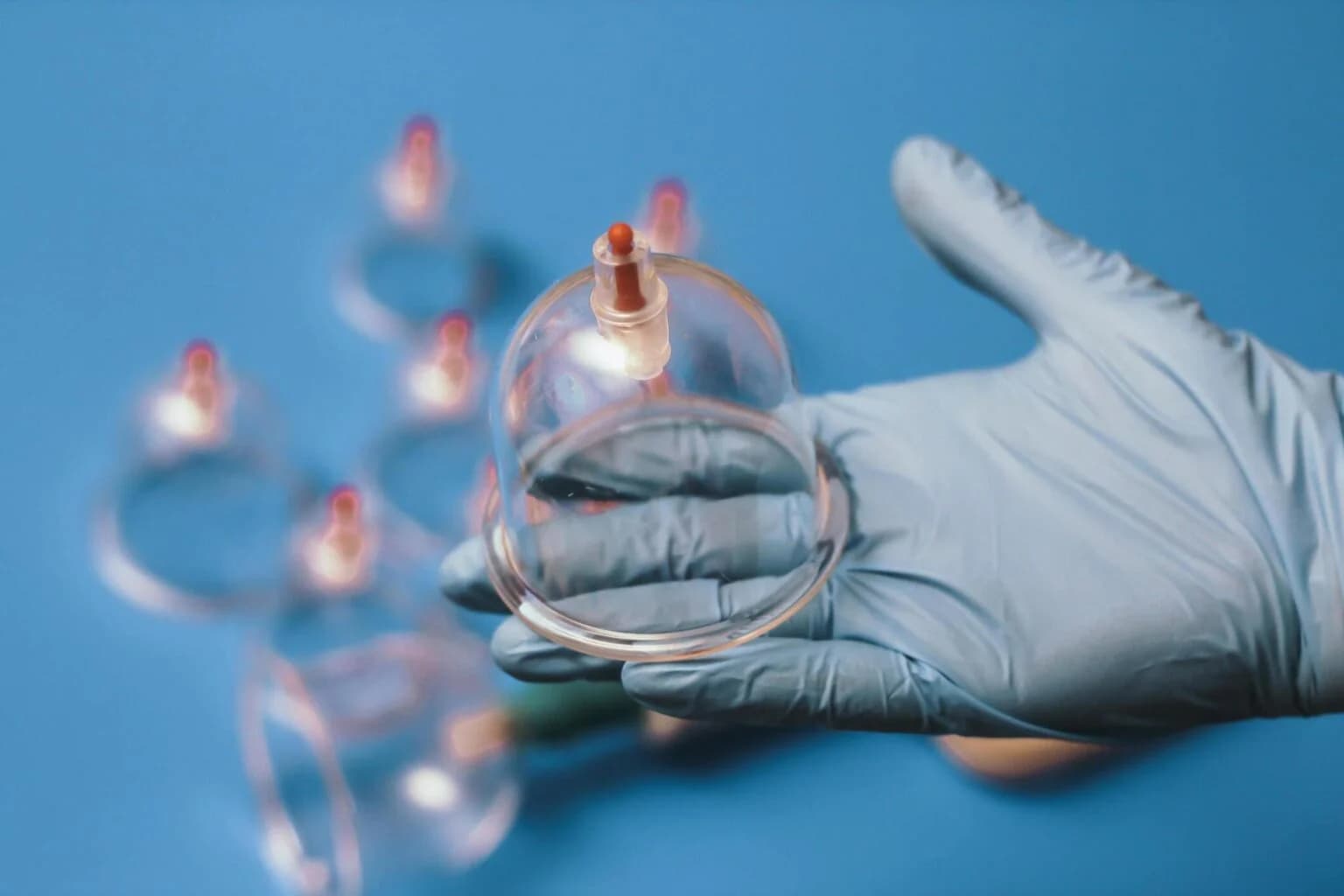
What Is Hijama Cupping?
Hijama cupping refers to the practice of wet cupping using suction cups on the skin along with small, superficial incisions to draw out a small amount of blood from specific points on the body. The term is often used interchangeably with "Hijama" itself, since Hijama is a particular type of cupping rather than a separate practice altogether. This guide breaks down exactly what the term means, how the process works, and where it fits alongside the other entities you'll come across when researching this topic procedure, benefits, safety, and religious context. For the full overview, see our complete guide to Hijama.
Understanding the Term "Hijama Cupping"
"Cupping" on its own is a broad category, and Hijama sits within it as a specific method. When people search "what is Hijama cupping," they're usually looking for clarity on how this particular form relates to cupping more generally and the short answer is that Hijama cupping and wet cupping are the same thing.
Cupping as the Parent Category
Cupping therapy includes several distinct methods:
- Dry cupping suction only, with no incisions made to the skin.
- Fire cupping a traditional method that uses heat (usually a flame) to remove oxygen from the cup and create suction, rather than a mechanical pump.
- Wet cupping (Hijama) suction combined with small, superficial incisions to draw a controlled amount of blood.
Each method shares the same basic principle applying a vacuum to the skin's surface but differs in technique, purpose, and the level of training required to perform it safely.
Why Two Names Exist for the Same Practice
"Hijama" is the Arabic term rooted in Prophetic medicine and Islamic tradition, while "wet cupping" is the descriptive term more commonly used in medical, clinical, and Western wellness contexts. Both refer to the exact same procedure. You'll often see medical research use "wet cupping," while religious and cultural sources use "Hijama" which is why understanding this overlap matters when you're trying to piece together information from different types of sources.
How Hijama Cupping Works (The Procedure)
Understanding the term is only half the picture knowing what actually happens during a session is what most people searching this phrase really want to know. A typical Hijama cupping session follows a structured sequence.
Step 1 Screening and Consultation
Before any cups are applied, a properly trained practitioner will ask about your medical history. This includes checking for conditions like pregnancy, anaemia, bleeding disorders, or the use of blood-thinning medication all of which affect whether Hijama is appropriate for you. This step is non-negotiable in a safe, professional setting.
Step 2 Cup Placement
Sterile cups are applied to specific points on the body. In traditional practice, these often correspond to recognised Sunnah points, though a practitioner may also select points based on the area of discomfort. The cups create a vacuum that draws the skin upward, increasing blood flow to the surface.
Step 3 Superficial Incisions
Once the skin has been drawn up by the suction, the practitioner makes small, shallow incisions. These are surface-level only not deep cuts and are designed purely to allow a small amount of blood to be released.
Step 4 Blood Drawing
The cup is reapplied over the incision site, and a small, controlled quantity of blood is drawn into the cup. This amount varies depending on the practitioner, the treatment area, and the number of points being treated, but it is not comparable in volume to blood donation a common misconception.
Step 5 Aftercare
Once the session is complete, the treated area is cleaned and dressed, and the client is given guidance on rest, hydration, and wound care over the following days. Aftercare is a key part of the process and shouldn't be treated as an afterthought.
What Hijama Cupping Is Used For
People turn to Hijama cupping for a mix of physical and spiritual reasons, and it helps to be clear about which is which.
Traditionally Reported Reasons
Many clients seek Hijama for pain relief, improved circulation, reduced fatigue, general wellbeing, and as a way of reviving a Sunnah practice with spiritual intention. These are widely reported experiences passed down through tradition and personal testimony.
Areas With Some Scientific Interest
A small body of research has looked into cupping's effects on musculoskeletal pain and certain inflammatory markers, though the evidence remains limited and mixed. It's important that this is communicated honestly Hijama cupping should never be presented as a guaranteed cure for any medical condition. Responsible sources separate what's traditionally believed from what current evidence actually supports.
Common Conditions People Associate With Hijama
Chronic back pain, migraines, joint stiffness, general fatigue, stress, and sports-related injuries are among the most common reasons people search for and book Hijama sessions. Each of these deserves its own honest, evidence-aware explanation rather than a blanket claim of effectiveness.
Is Hijama Cupping Safe?
Safety is one of the most searched concerns around this topic, and it deserves a direct answer: Hijama cupping is safe when performed by a properly trained practitioner using sterile, single-use equipment.
What Can Go Wrong Without Proper Hygiene
When Hijama is performed by an untrained person, or with reused or poorly sterilised equipment, risks increase significantly. These include:
- Infection at the incision site
- Bruising beyond what's typically expected
- Skin burns (more commonly linked to fire cupping when not done carefully)
- In serious cases, transmission of bloodborne disease
This is precisely why sterilisation standards and practitioner training aren't optional details they're the dividing line between a safe wellness session and a genuine health risk.
Who Should Avoid Hijama Cupping
Certain people should not undergo Hijama without first speaking to a doctor, including:
- Pregnant women
- People with anaemia or bleeding disorders
- Those taking blood-thinning medication
- People with uncontrolled diabetes or certain heart conditions
- Anyone with an active skin infection at the treatment site
A responsible practitioner will always screen for these factors before beginning treatment, rather than proceeding based on request alone.
Hijama Cupping and Its Place in Islamic Tradition
Hijama cupping carries particular significance within Islamic tradition as part of Prophetic medicine (Tibb an-Nabawi). It is associated with specific Sunnah days traditionally the 17th, 19th, and 21st of the Islamic lunar month and with defined points on the body referred to as Sunnah points.
For many practitioners and clients, this isn't simply a physical treatment. It's viewed as an act of reviving a tradition attributed to the Prophet ﷺ, carried out with intention and care. That said, it's worth keeping the religious and medical framing distinct: the timing and body points are a matter of tradition and personal practice, while the question of whether Hijama is medically appropriate for a given person remains a separate, medical consideration.
Hijama Cupping vs Other Terms You Might See
Because this topic sits at the intersection of medical, cultural, and religious language, it's easy to come across overlapping or confusing terminology. Here's a quick reference:
| Term | What It Means |
|---|---|
| Hijama | Traditional Arabic term for wet cupping, rooted in Prophetic medicine |
| Wet cupping | Medical/clinical term for the same practice as Hijama |
| Hijama cupping | Commonly used phrase referring to the same practice, often in casual search queries |
| Dry cupping | Suction only, no incisions a different method entirely |
| Cupping therapy | The broad umbrella term covering wet, dry, and fire cupping methods |
Recognising these terms helps you make sense of results whether you're reading a medical study, a religious explainer, or a clinic's service page.
Getting Started With Hijama Cupping
Once you understand what Hijama cupping is, the natural next step is deciding how you want to engage with it as a client seeking treatment, or as someone interested in training to deliver it to others.
If you're looking to experience it firsthand, treatment should always begin with proper screening and be carried out using sterile, single-use equipment by a certified practitioner. If you're drawn to learning the practice itself whether as a Sunnah-based calling or a potential career proper certification training covering hygiene, technique, and safety is essential before treating anyone.
Hijama Nation offers both pathways: certified training for those who want to become practitioners, and professional treatment sessions for those who want to experience Hijama safely and respectfully.
Frequently Asked Questions
Yes. Hijama cupping and wet cupping refer to the exact same practice suction combined with small, superficial incisions. "Hijama" is the traditional Arabic term, while "wet cupping" is the term more commonly used in medical and clinical contexts.
"Normal cupping" usually refers to dry cupping, which uses suction only with no incisions. Hijama cupping goes a step further by making small incisions to draw a controlled amount of blood.
Most people describe mild discomfort a pulling sensation from the suction and a brief scratching sensation from the incisions followed by light soreness similar to a bruise afterwards.
Only a small, controlled amount, which varies by practitioner and treatment area. It is not comparable in volume to blood donation.
Yes, when performed by a trained, certified practitioner using sterile, single-use equipment. Risks such as infection or bruising increase significantly when hygiene standards aren't followed.
Pregnant women, people with bleeding disorders or anaemia, those on blood-thinning medication, and people with certain heart conditions or uncontrolled diabetes should speak to a doctor before booking.
Most sessions take between 30 and 60 minutes, depending on the number of points treated and the client's individual needs.
Most healthy adults can, following a proper screening consultation. Certain medical conditions and pregnancy are exceptions where treatment should be avoided or discussed with a doctor first.